— HUMAYUN'S TOMB —
Historical Significance
Who was Humayun?
Humayun (1508-1556) was the second Emperor of the Mughal Empire. He is known for founding the 6th city of Delhi (Dinpanah), with its citadel at Purana Qila, and for his efforts to stabilize Mughal rule in India.
Despite early challenges of being driven away from his empire, his patronage of arts and architecture brought significant Persian cultural influences and shaped subsequent Mughal artistic achievements.
Who built his tomb?
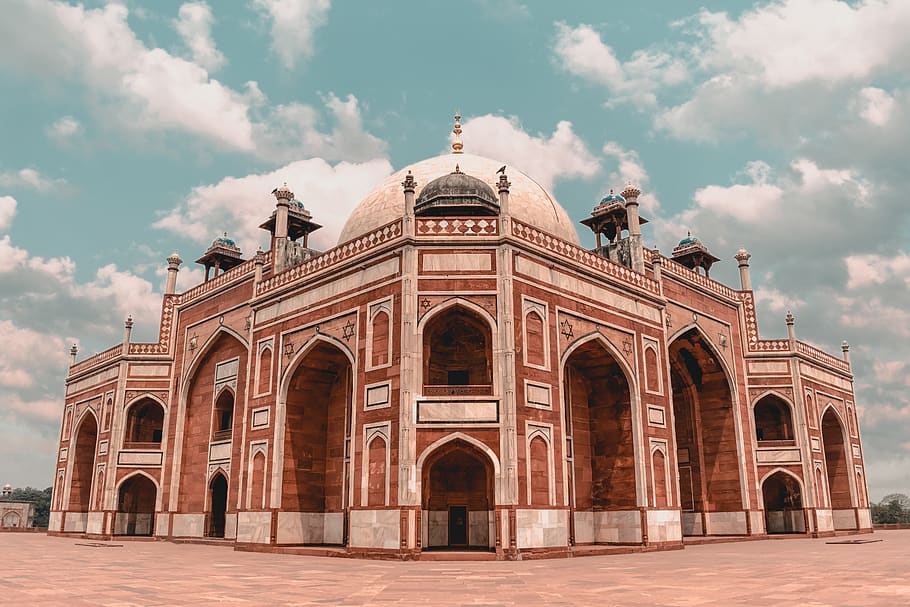
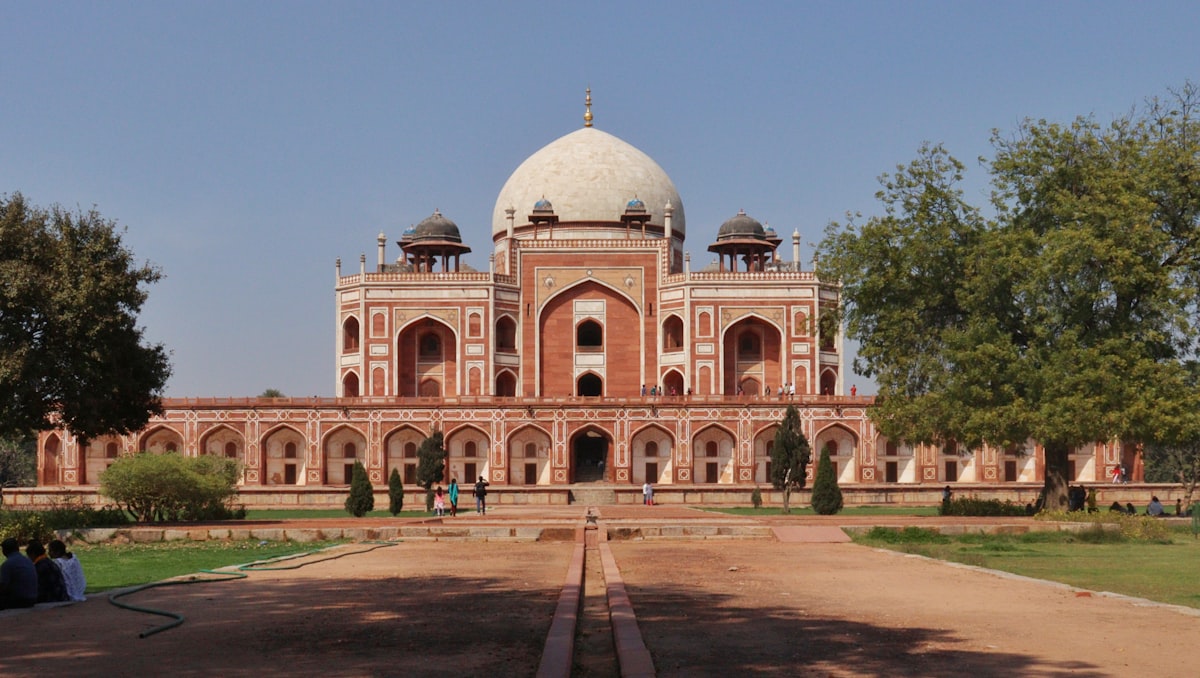
Humayun's Tomb was commissioned and supervised by his son, Akbar, and his first wife, Empress Bega Begum (also known as Haji Begum). The mausoleum was completed in 1570 with the design and planning led by the Persian architect Mirak Mirza Ghiyas.
What makes it an important site to visit?
Humayun's Tomb marks the beginning of garden-style tombs in India, featuring the first "charbagh" layout. Its innovative design significantly shaped later Mughal architecture, most famously inspiring the Taj Mahal. It was also the first large-scale structure to make prominent use of red sandstone.
Beyond its architecture, the extensive complex served as a major burial site for the Mughal royal family for 300 years. Its location near the Nizamuddin Dargah and the Yamuna River adds to its spiritual importance.
Links: UNESCO listing
More in the Humayun's Tomb series