
— HUMAYUN'S TOMB —
A Closer Look Inside
Can We Go Inside Humayun’s Tomb?
Yes, you can go inside the main tomb of Humayun. A flight of stairs on each of the four sides leads up to the elevated plinth, where the main entrance to the tomb is located.
What's Inside The Tomb?
Through the arched entrance, you’ll find a grand domed chamber housing the cenotaph of Emperor Humayun, placed at the center on a raised platform. The real grave, following Islamic tradition, lies in a crypt directly below.
The interiors are minimal yet powerful, defined by perfect symmetry, high vaulted ceilings, and intricate jaali work that filters sunlight in mosaic-like patterns. The design reflects Persian architectural influences blended with early Mughal style. The same fusion later appeared in the Taj Mahal.
The interior follows a nine-part floor plan known as "hasht bihisht" (eight chambers surrounding a central one). Each chamber is connected through symmetrical passages and arched doorways, aligning with the Mughals' obsession with cosmic order and architectural balance.
Within these side chambers lie the graves of other royal family members, including Humayun’s wife, Dara Shikoh (the eldest son of Shah Jahan), and several later Mughal nobles.
But while the main tomb’s interior boasts grandeur, visitors don’t realize that it is just one part of a much larger historical complex. Some of the most fascinating structures lie outside the central mausoleum.
The Complex Beyond the Tomb
While Humayun’s tomb is the centerpiece, it sits within a 27-acre garden-tomb complex filled with lesser-known monuments, each with its own history. The area comprises three zones that you'll sequentially cover as you enter from the west.

Zone A Highlights
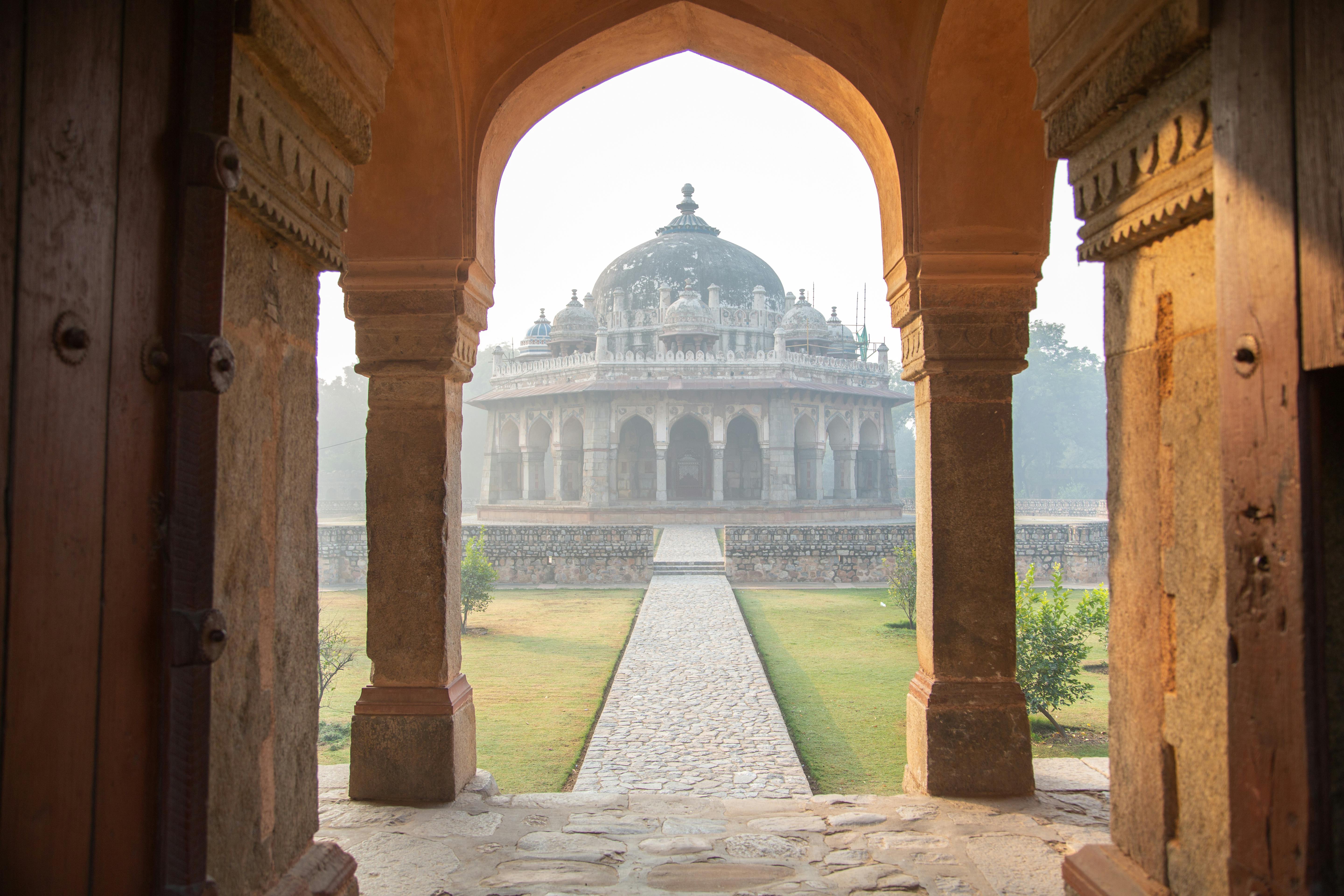
Isa Khan Niyazi's Tomb & Mosque (A1)—A 16th-century octagonal tomb, showcasing fine lattice screens, turquoise tiles, and a surrounding mosque built in the pre-Mughal style.
Bu Halima's Tomb & Garden (A2) – A mysterious tomb set within a garden, with its origins uncertain
Bu Halima's Gate (A3) – An elaborately decorated eastern gateway, suggesting it was once the grand entrance to an important enclosure
Zone B Highlights
Arab Serai Gate (B1) – A richly adorned gateway leading to an area believed to have housed Persian artisans brought by Emperor Humayun’s widow to build his grand mausoleum
Afsarwala Tomb & Mosque (B2) – A lesser-known Mughal-era tomb and mosque with an unknown history
Humayun's Tomb West Gate (B3) – A monumental entrance featuring an iwan (vaulted hall) with a six-pointed star, blending Persian and Indian architectural influences. It offers a breathtaking first glimpse of the grand tomb through its arched opening
Zone C Highlights
Charbagh Garden (C1) – A stunning Persian-style quadrilateral garden divided by flowing water channels, symbolizing paradise on earth
South Gate (C2) – A towering gateway connecting Nizamuddin to the mausoleum; intended as the main entrance since tombs are often entered from the south.
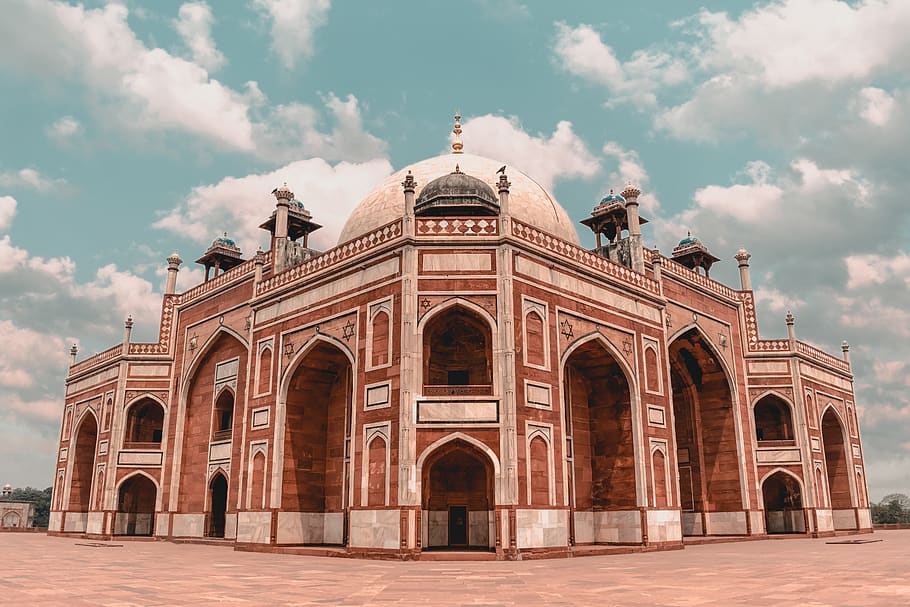
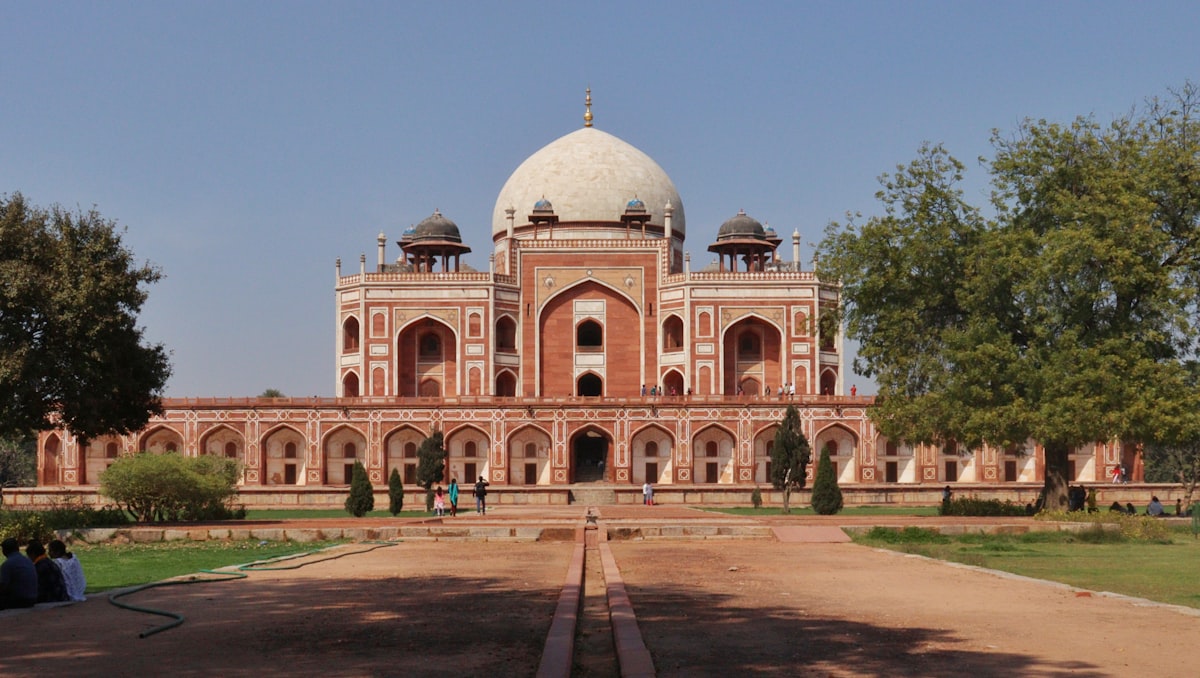
Main Mausoleum (C3) – The crowning glory of Mughal architecture—a massive double-domed structure that influenced the design of the Taj Mahal
Barber's Tomb (C4) – A modest yet elegant tomb within the charbagh with uncertain origins
Nila Gumbad (C5) – A striking blue-domed tomb near the Yamuna decorated with vibrant tilework
More in the Humayun's Tomb series