— LODHI GARDEN —
Historical Significance
The Naming of Lodhi Garden
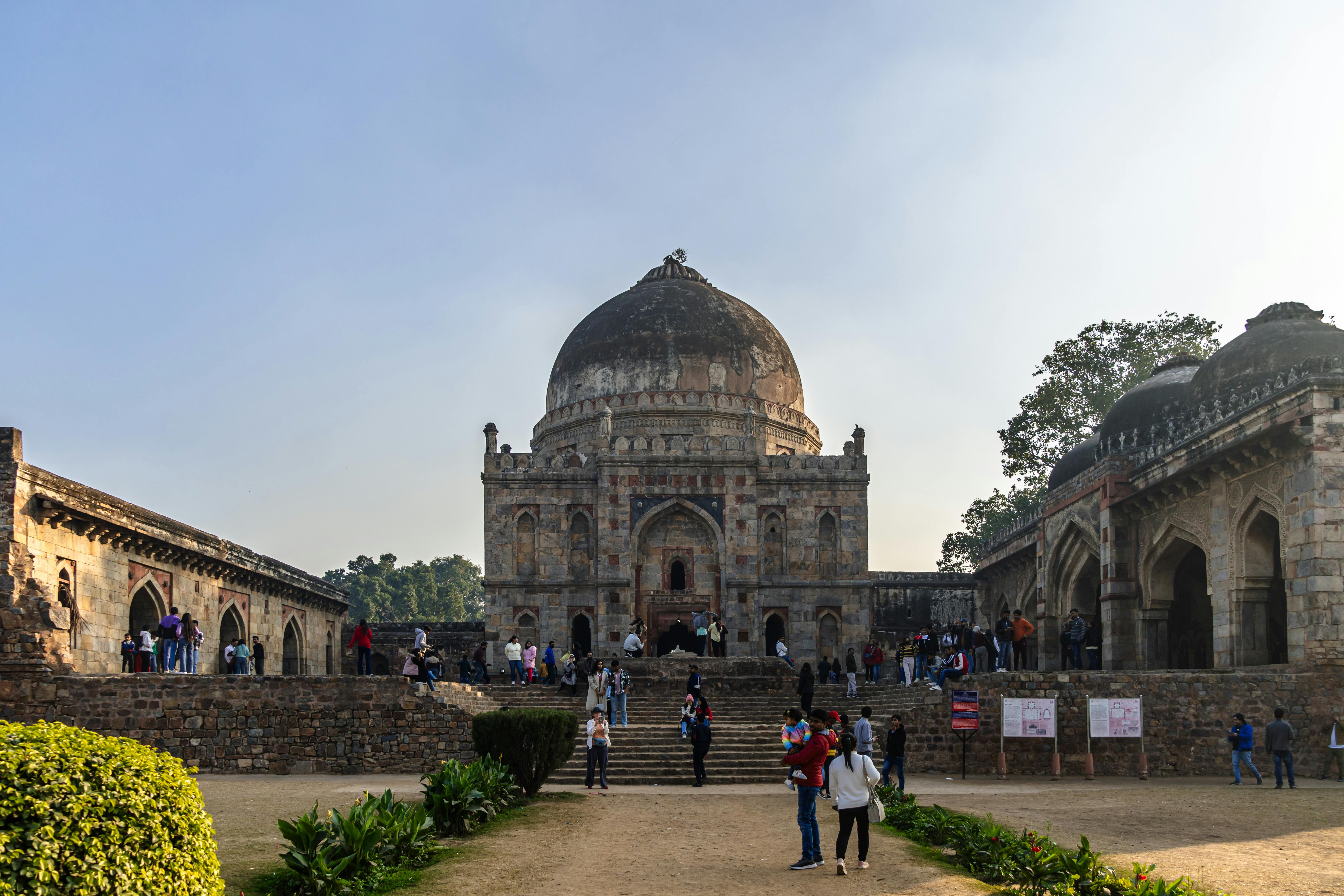
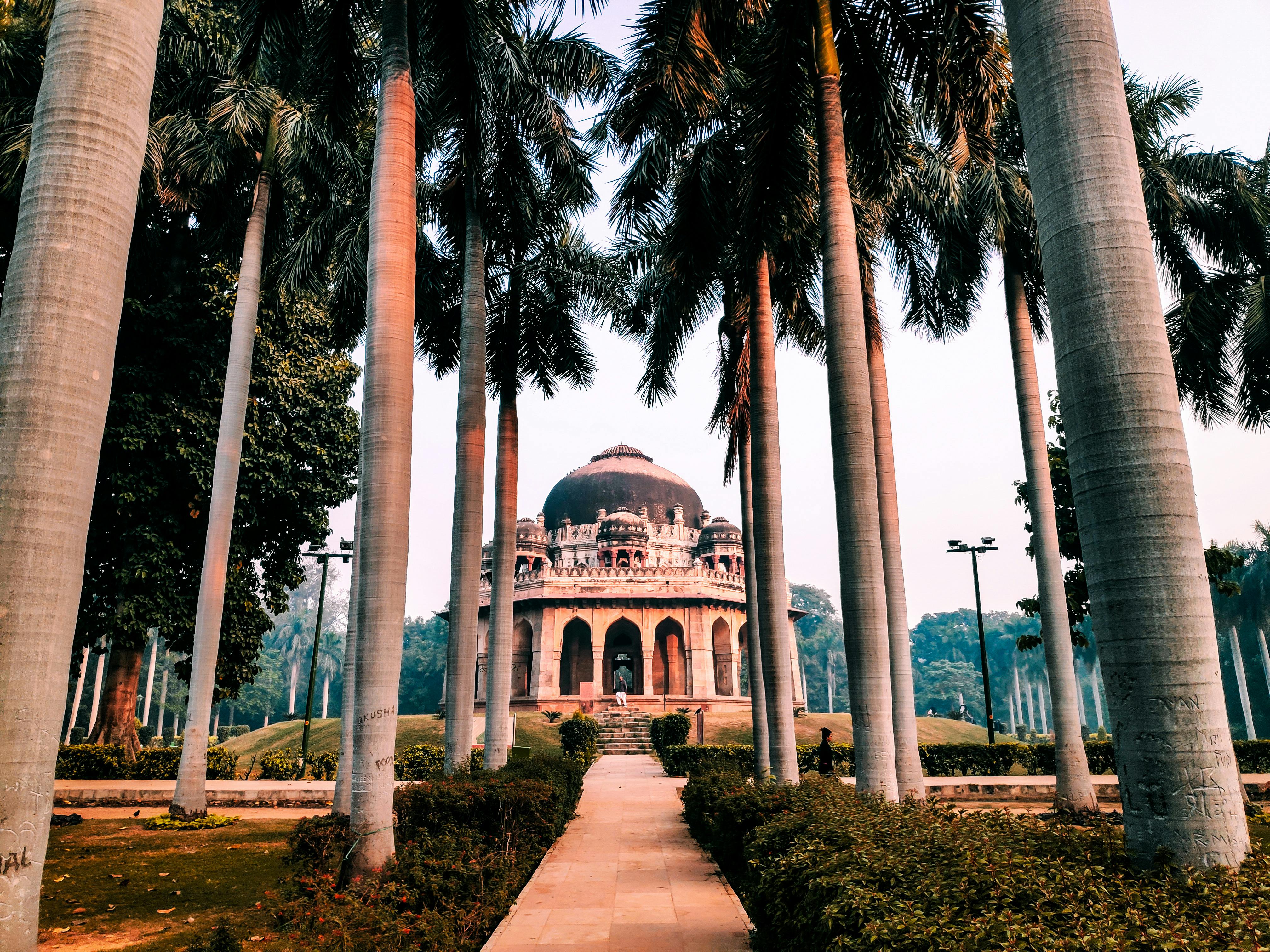
Lodhi Garden derives its name from the Lodhi dynasty, the last rulers of the Delhi Sultanate before the Mughal conquest. The garden contains the tombs of Mohammed Shah and Sikander Lodhi, prominent rulers of this Afghan dynasty who governed northern India from 1451 to 1526.
Originally, this area was developed as a burial ground called "Bagh-i-Jud" during the 15th and 16th centuries. Later, home to a village called Khairpur, it was cleared in 1936 during British-era redevelopment to create the "Lady Willingdon Park," named after the wife of the then Governor-General of India.
After India gained independence in 1947, it was renamed "Lodhi Garden" to honor its historical connection to the Lodhi dynasty.
Importance
Architectural Evolution
The monuments within Lodhi Garden represent a crucial transitional period in Indo-Islamic architecture—they showcase the evolution from the austere style of the Delhi Sultanate to the more ornate and refined Mughal aesthetic that would later flourish at sites like Humayun's Tomb and the Taj Mahal.
Historical Continuity
Few places in Delhi offer such a concentrated display of structures spanning multiple centuries and dynasties. The garden provides a physical timeline of Delhi's history, allowing visitors to witness the architectural progression from the 15th to the 20th century in one location.
Ecological Significance
Beyond its historical monuments, Lodhi Garden serves as a biodiversity hotspot in urban Delhi. The carefully preserved green space hosts over 100 species of birds, numerous butterfly varieties, and a diverse range of indigenous plants—making it a living laboratory for nature enthusiasts.
Cultural Importance
The garden has been integrated into Delhi's contemporary cultural fabric, serving as a space for morning yoga, evening walks, cultural performances, and photography exhibitions. It represents the harmonious coexistence of heritage conservation and modern recreation.
More in the Lodhi Garden series